
SPONSOR
SJSU School of Engineering,
John S. and James L. Knight Foundation, the City of San José, Intel, Microsoft, and Autodesk
INDUSTRY
Wearables, Health
TEAM
-
2 Human Factors Graduate Candidates (including me)
-
3 Software/Hardware Engineering Graduate Candidates
-
1 Industrial Designer
ROLES
-
Product & Project Management
-
Team Management
-
Product Design
-
Illustration
-
Graphic Design
-
Prototyping
TOOLS
-
Sketch
-
Principal for Mac
-
Whatsapp
DURATION
2015-2016 (3 Months)
BRIEF
Working with a team of six (6) members, our tasks were to help solve the problem of tracking a loved one, friend or community member in a more empathetic way rather than that of the hovering parent.
WHAT I DID
Through sound research I created flow diagrams, interaction task flows and wireframes of the various ways users could interact with each other to help track the end user. I lead our collaborative design sprints to figure out how to solve the problem of redesigning medical alert devices. We designed for mobile first since this was most likely the way you would track the end-user.
Challenge
A 3-month long challenge (bi-monthly check-in eliminations), where students from across SJSU developed innovative design concepts and working prototypes using the Intel® Edison microprocessor. The goal was to create embedded system prototypes that transform our world through design, engineering, connectivity (IoT = Internet of Things) and creativity.

MED-TECH COMPLIANCE
RESULT
-
MVP Successfully Launched: Led design and product strategy that digitally captured all FDA forms to eliminate and mitigate multiple entry errors using machine learning and AI to help the user optimize FDA compliance with minimal effort.
-
A user-centered approach: that resonated with early adopters. Collaborated closely with development to streamline workflows and implement key features based on real user feedback.
-
Scaling the Team: Played a pivotal role in hiring and onboarding offshore teams—designers, engineers, product managers
-
Accelerating Execution: ensuring alignment between design, product, and business goals.
-
Product & Strategy Leadership: Worked closely with stakeholders during our first sales cycle to refine the value proposition, translating customer insights into product enhancements that drove adoption and positioned us for growth.
-
System Maintenance: Built an intelligent system able to maintain these livable documents by setting time based procedures that needed to be regularly maintained in order to stay within the FDA regulatory guidelines.
WHAT I DID
Starting as the Lead Principal Design Manager, I moved into a more strategic position, adopting the role of Lead Product Designer with a hands-on method to handle these problems:
-
Bridged Gaps – I set up better communication methods to bring together the design, engineering, and product teams, which helped us work together more effectively.
-
Conducted User Research – I carried out interviews and usability tests to find out where users were struggling, making sure our product plans were based on actual user needs.
-
Created Design System – I created scalable, reusable components to make our product more consistent and efficient.
-
Initiated Accessibility Standards – I put practices in place that follow WCAG guidelines to make sure everyone can use the product easily.
By tackling these issues directly, I improved the overall product experience and also helped create a more user-focused, scalable base for our work.
Challenge
Working prototype in 90 days
A 3-month long challenge (bi-monthly check-in eliminations), where students from across SJSU developed innovative design concepts and working prototypes using the Intel® Edison microprocessor. The goal was to create embedded system prototypes that transform our world through design, engineering, connectivity (IoT = Internet of Things) and creativity.
Our process consisted of User Research, Competitive Analysis, Ideation, Sketches, Prototyping, Usability Testing and Product Review.
Approaching the project
Opportunity
We realized there was nothing in the market that gave the users safety assurance and was not obtrusive to the end user. So we rose up to the challenge to redesign the current popular safety wearable device used by the elderly that was stigmatizing.

What I did
Starting as the Lead Principal Design Manager, I moved into a more strategic position, adopting the role of Lead Product Designer with a hands-on method to handle these problems.
Feature Title
-
Bridged Gaps – I set up better communication methods to bring together the design, engineering, and product teams, which helped us work together more effectively.
-
Conducted User Research – I carried out interviews and usability tests to find out where users were struggling, making sure our product plans were based on actual user needs.
-
Created Design System – I created scalable, reusable components to make our product more consistent and efficient.
-
Initiated Accessibility Standards – I put practices in place that follow WCAG guidelines to make sure everyone can use the product easily.
By tackling these issues directly, I improved the overall product experience and also helped create a more user-focused, scalable base for our work.
MED-TECH COMPLIANCE
CLIENT
Enlil, Shivamed
INDUSTRY
Medical Tech, FDA Regulatory Compliance
TEAM
-
1 Product Design Manager (me)
-
2 Junior Product Designers
-
2 Product Design Interns
-
1 Technical Lead
-
2 Engineers
-
1 Marketing Lead
-
2 CEOs (1 Founder)
TOOLS
-
Adobe Creative Suit
-
Figma
-
Figjam
-
Asana
-
Slack
-
Jira
-
Maze
DURATION
2021-2022
BRIEF
As Product Lead at Shifamed's stealth startup, I spent over two years bringing our B2B2C SaaS web desktop and mobile app to life—crafting an MVP designed for both immediate impact and long-term scalability. Beyond shaping the product experience down to the pixel, I played a pivotal role in driving product strategy and advocating for a user-first mindset—shifting the small startup towards a truly product-driven approach.
As a Human Factors Engineer, I was deeply committed to ensuring that we weren’t just building for medtech professionals, but with other team members like suppliers, back office shipping and even the accounting teams. By embedding user-centered thinking into our Enlil culture, I helped lay the foundation for long-term product growth.
PROBLEM
Multiple entry errors in medical technology R&D and industrial design engineering stem from the field's complex, interdisciplinary nature and rigorous safety and regulatory standards. A key issue is the insufficient specialized expertise within development teams, which can result in design flaws and regulatory oversights, leading to devices that fail to meet safety, efficacy, or market requirements. Without adequate knowledge in clinical medicine, human factors, or regulatory affairs, the likelihood of errors due to incorrect assumptions or oversights escalates.
WHAT I DID
Starting as the Lead Principal Design Manager, I moved into a more strategic position, adopting the role of Lead Product Designer with a hands-on method to handle these problems:
-
Bridged Gaps – I set up better communication methods to bring together the design, engineering, and product teams, which helped us work together more effectively.
-
Conducted User Research – I carried out interviews and usability tests to find out where users were struggling, making sure our product plans were based on actual user needs.
-
Created Design System – I created scalable, reusable components to make our product more consistent and efficient.
-
Initiated Accessibility Standards – I put practices in place that follow WCAG guidelines to make sure everyone can use the product easily.
By tackling these issues directly, I improved the overall product experience and also helped create a more user-focused, scalable base for our work.
RESULT
Developed a SAAS that utilizes machine learning and AI to digitally capture and optimize the filling out of FDA forms, reducing paper use and entry time. The system ensures compliance with FDA regulatory guidelines by maintaining livable documents through regular updates.
RESEARCH
Animating micro-interactions helped the development team translate my vision exactly to the end users.
The Discovery
Identify & establish key audiences

We conducted customer and market research to discover who our constituents are and who could benefit from the use of medical alert devices.
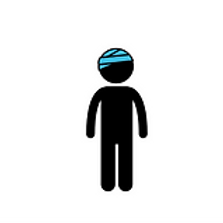
Trauma Brain Injury (TBI) patients
Position / Role
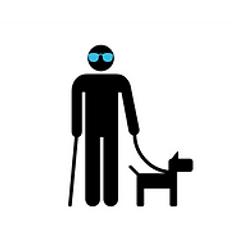
Blind & Low Vision
Position / Role
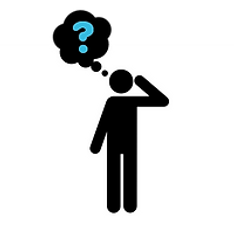
Dementia, Mild Alzheimer's patients
Position / Role
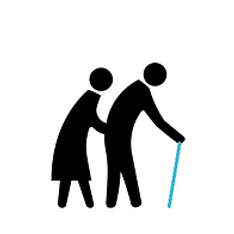
Elderly People
Position / Role
Research
Research
Identify & establish key audiences
We conducted customer and market research to discover who our constituents are and who could benefit from the use of medical alert devices.
Goals
Signals
Key Metrics
Adoption
We want people to be visiting the site and viewing its pages.
Visiting site, Viewing pages
Visits per week, Unique visitors per week, Pageviews per week, Unique pageviews per week
Engagement
We want people to be using the site and performing certain actions.
Spending time on site, Searching the site, Downloading information, Clicking on evidence links
Spending time on site, Searching the site, Downloading information, Clicking on evidence links
Retention
We want people to come back to the site after their first visit.
Returning to the site
Returning visits, % returning visits / all visits
Goals
Signals
Key Metrics
Adoption
Add paragraph text. Click “Edit Text” to update the font, size and more. To change and reuse text themes, go to Site Styles.
Add paragraph text. Click “Edit Text” to update the font, size and more. To change and reuse text themes, go to Site Styles.
Add paragraph text. Click “Edit Text” to update the font, size and more. To change and reuse text themes, go to Site Styles.
Engagement
Add paragraph text. Click “Edit Text” to update the font, size and more. To change and reuse text themes, go to Site Styles.
Add paragraph text. Click “Edit Text” to update the font, size and more. To change and reuse text themes, go to Site Styles.
Add paragraph text. Click “Edit Text” to update the font, size and more. To change and reuse text themes, go to Site Styles.
Retention
Add paragraph text. Click “Edit Text” to update the font, size and more. To change and reuse text themes, go to Site Styles.
Add paragraph text. Click “Edit Text” to update the font, size and more. To change and reuse text themes, go to Site Styles.
Add paragraph text. Click “Edit Text” to update the font, size and more. To change and reuse text themes, go to Site Styles.
01
Competitive Analysis
In order to be competitive, we needed to know what was out there. What worked and didn’t work. To connect the dots, we needed to collect the dots. The investigative market research conducted would be essential for building our successful product concept.



01

Current Technology
Current Technology
Bulky, poor battery life, low-range and stigmatizing to the end-user.


Pain Points
02
Comparing the existing antiquated technology

02
SWOT analysis
After the initial competitive analysis and the user interviews, it was obvious what our strengths were and so we capitalized and built in the most familiar and beneficial features.
THE PROCESS
03
Expert Care with a Local Touch
Use this space to promote the business, its products or its services. Help people become familiar with the business and its offerings, creating a sense of connection and trust. Focus on what makes this business unique and how people can benefit from choosing it.

Quantitative Interviews
Initial insights from surveys

Very Innovative
Somewhat Innovative
Neutral
Not very Innovative

Yes
Somewhat Innovative
Not Sure
No
02
Swot analysis
After the initial competitive analysis and the user interviews, it was obvious what our strengths were and so we capitalized and built in the most familiar and beneficial features.

Ethnography Studies
Qualitative research Answers from target demographic users
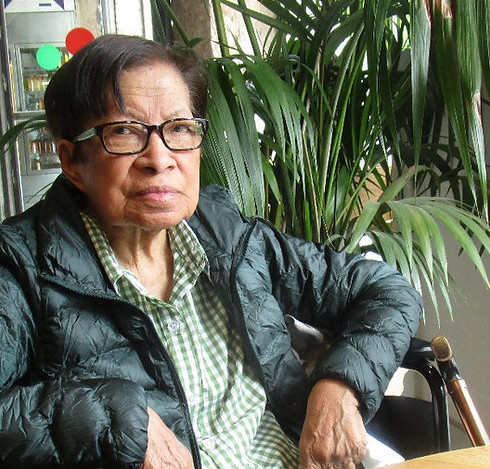
A tracking alert gives me a great deal of comfort & makes me feel confident that people will be contacted right away.
02
Tessie (85), Recently windowed
San Jose, CA
Using prior systems, I had fallen in my apartment & laid on the floor waiting for help for many hours.
02
Pat (36), Single teacher
San Francisco, CA
03
Expert Care with a Local Touch
Use this space to promote the business, its products or its services. Help people become familiar with the business and its offerings, creating a sense of connection and trust. Focus on what makes this business unique and how people can benefit from choosing it.
The Approach
Defining The Problem
According to the CDC, more than 33% of accidents and falls involving people over age 65 occur at home.
Designing for the aging is not an easy task. Medical alert devices often fail to be worn since they are unattractive and even stigmatizing.
They require the user to press the button once they have fallen which isn’t always feasible.
Opportunity
We realized there was nothing in the market that gave the users safety assurance and was not obtrusive to the end user. So we rose up to the challenge to redesign the current popular safety wearable device used by the elderly that was stigmatizing.


Developing Users into Personas
Qualitative research Answers from target demographic users…
Empowering brands with targeted outdoor advertising
Developing Personas
Primary & Secondary Users
Pleasure Principle
Turning features into benefits
Developing Users into Personas
Qualitative research Answers from target demographic users…
Empowering brands with targeted outdoor advertising

Framework
Empowering brands with targeted outdoor advertising
Framework
Developing Users into Personas
Qualitative research Answers from target demographic users…
Empowering brands with targeted outdoor advertising
Flows
User Scenarios
Empowering brands with targeted outdoor advertising


Ideation
Solving the problem
So far function & style have been two separated things within the personal alert system experience.
But why should emotional aspects that trigger a purchase be related to the design of such a product?
We blurred those lines and created a new wearable that draws a line from brand experience to inspiration and that simply just plain works!
This provides the end user & caregiver piece of mind to live worry free.
Opportunity
We realized there was nothing in the market that gave the users safety assurance and was not obtrusive to the end user. So we rose up to the challenge to redesign the current popular safety wearable device used by the elderly that was stigmatizing.
Technology
Features
-
Robust, waterproof & shock resistant
-
Activated by motion & bio-metric sensors
-
Loved one(s) & 3rd parties are immediately alerted via GSM text message and/or phone call
-
Comfortable and can be personalized to fit individual styles


Framework
Laying out the foundation
Creating the base was essential so we could quickly prototype the interaction. Once we agreed on the flow, I was able to add in color and rudimentary assets.

EMPOWER
Be aware of loved one's location who may need help

SHARE
Analyze heat map data to share daily habits

ALERT
Mobilze nearby emergency services
Prototypes
White-boarding, sketching, wire-framing, rough mockups


Design,
Iterate,
Test,
Repeat
Gorilla & hallway testing
Design, Iterate, Test, Repeat
Features TELL, Benefits SELL! We quickly iterated and designed only the key features that would emotionally benefit our users which became our MVP.


Jarad Spool
UX Guru
The combination of aggressive design sprints and once a week milestones, created an intense environment with many coordination & time challenges.

Design
In Action
Secondary users searching for the primary user
.png)

.png)
.png)


RESTROSPECT
Respecting each others' space
Limited personal time was challenging during the semester. In hindsight discussing communication styles before hand to avoid crossing boundaries would have been good practice.
OUTCOME
1st Place
The arduous journey working with other fellow Spartans from different disciplines, helped us gain respect for each other's abilities that will forever inspire us. This brought closure to a successful end of the semester.
100%
Adoption of All Shifamed Portfolio Startups
1K+
Converted FDA Paper Documents to Digital Livable Documents
25%
Supplier Adoption using Enlil Digital Purchase Order
Results
How Great Teamwork & Group Design Thinking broke down the walls between disciplines and helped drive us to the finish line
